
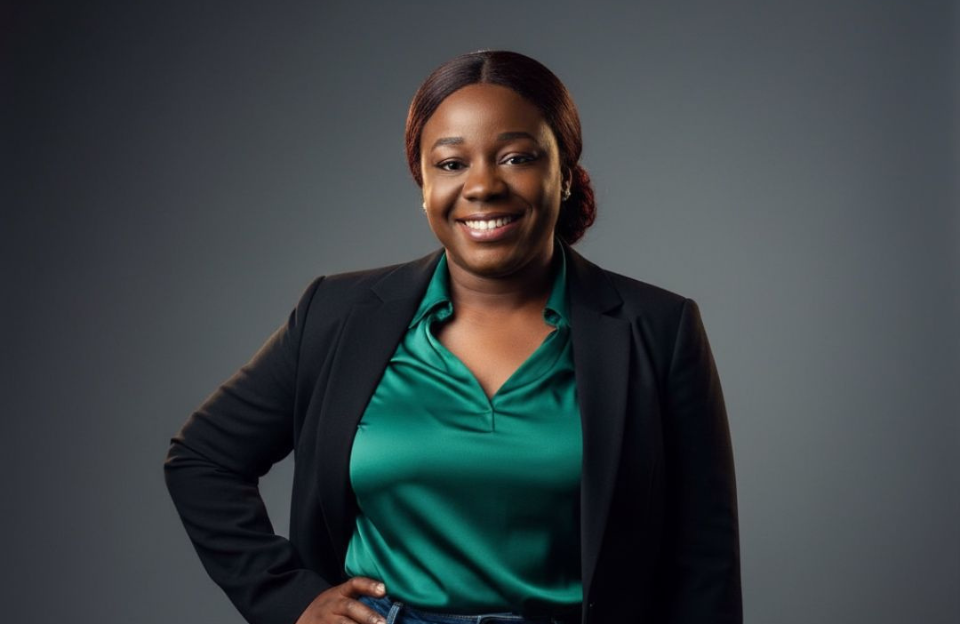
In a poignant reflection on resilience and leadership, Dr. Chibuzor Mirian Azubuike, a prominent Nigerian-born scholar and community leader, has shared her thoughts on the women who have shaped her path, the profound impact of personal loss, and her vision for moving beyond superficial inclusion to genuine structural equity.
Her message underscores a powerful truth: True progress for women requires not just representation, but equitable power structures built on resilience, collective strength, and lived experience. As global conversations on gender equity continue, Dr. Azubuike’s insights serve as a timely reminder of the personal stories driving systemic change.”
Dr. Azubuike, who holds a Ph.D. in Leadership Communication from Kansas State University and serves as the Founder and Executive Director of the Light Impact Global Institute and the Haske WaterAid and Empowerment Foundation, highlighted three iconic Nigerian women as her primary sources of inspiration.
“Many women have inspired me, but three public figures stand out,” Dr. Azubuike shared. “Chimamanda Ngozi Adichie has shown the power of voice and narrative. Ngozi Okonjo-Iweala exemplifies integrity, competence, and global leadership. The late Dora Akunyili represents courage and principled service in the face of resistance.”
What resonates most deeply for her, she explained, is how these trailblazers balanced extraordinary achievements with the realities of womanhood and motherhood. Beyond these luminaries, Dr. Azubuike credits unsung mentors—scholars, writers, and practitioners—who have provided unwavering support and modeled intergenerational resilience. “Their lives remind me that strength is often collective and intergenerational,” she noted.
Shifting to broader systemic issues, Dr. Azubuike critiqued the gap between performative inclusion and meaningful equity. “Performative inclusion focuses on appearance. Structural equity focuses on power,” she emphasized. “Having one ‘different’ face at the table is not enough. Institutions must ask harder questions: Whose voices are being heard? Whose ideas are shaping decisions? How safe do people feel to speak honestly without fear of penalty?”
She advocated for systems that not only welcome diverse perspectives but actively respect, resource, and integrate them—particularly innovations emerging from marginalized voices.
At the heart of her own story is profound personal resilience forged through grief. Dr. Azubuike revealed why she considers herself a “Woman of Rubies”—a title symbolizing enduring value amid adversity. “I consider myself a Woman of Rubies because of resilience shaped through deeply personal loss,” she said. “One defining moment in my life was losing my mother. It is a loss I am still navigating.”
As the firstborn daughter without a female sibling, she shared how her mother longed to gift her a sister, cherishing the bonds of sisterhood. Her mother’s short but impactful life, marked by a commitment to education and foresight, left an indelible mark. “Losing her while I was still finding my way shaped many of my later choices. I often wish she were here to guide me. That loss tested my courage and character, and it continues to inform the empathy and depth I bring to my work.”
Through her foundations, Dr. Azubuike channels this empathy into advancing women’s leadership, community empowerment, and access to clean water for rural communities—impacting tens of thousands across Nigeria and beyond.
Her message underscores a powerful truth: True progress for women requires not just representation, but equitable power structures built on resilience, collective strength, and lived experience. As global conversations on gender equity continue, Dr. Azubuike’s insights serve as a timely reminder of the personal stories driving systemic change.

