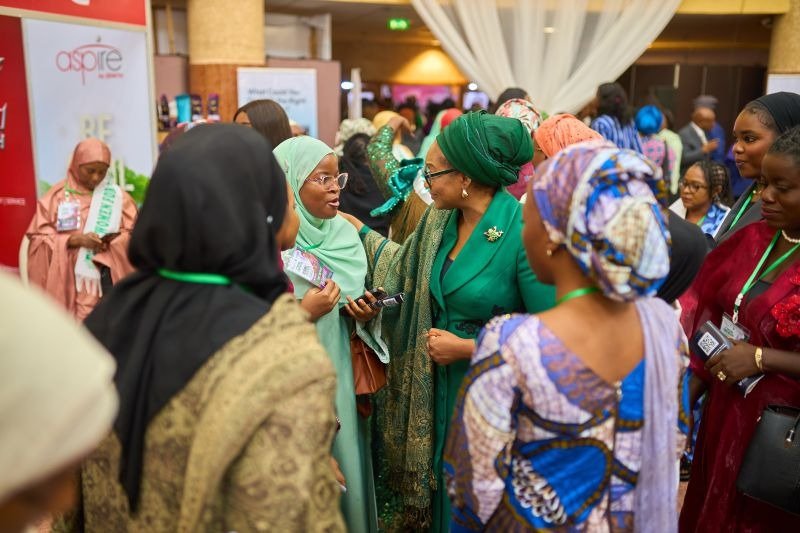
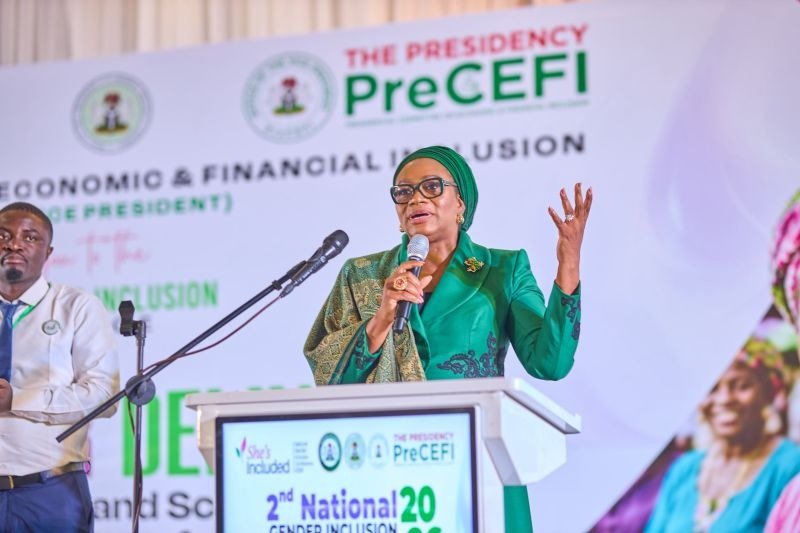
A financial system can include women without being designed to deliver for them. That was the central message delivered by Aishah Ahmad, Global Finance & Governance Leader specialising in institutional stewardship and advisory, during her keynote address at the Second National Gender Inclusion Conference in Abuja this week.
Speaking on the theme Financing the Future: Building Trusted Systems That Deliver for Women, Ahmad argued that progress in expanding access to financial services, while important, is not enough. The more critical question, she said, is what the financial system actually enables women to do once they are included.
“Can a woman control her participation? Does the system recognise how she earns and builds economic value? Can she establish a financial record, obtain credit on fair terms and grow her enterprise? When a service fails, can she secure prompt and effective redress?” Ahmad asked on her official LinkedIn page.
She stressed that an account alone does not equal agency. Drawing on the Bridgforte Dialogues Trust Architecture Framework, Ahmad called for a shift in how success is measured. Alongside access, she urged policymakers and financial institutions to track control, sustained use, reliability, fairness and resolution. Currently, she noted, the system measures presence better than lived experience.
READ ALSO: HAVAS APPOINTS ROXANA RAVJEE AS NEW CEO AFRICA
Ahmad pointed to practical tools being advanced through the conference — including the Economic and Financial Inclusion Centres, the Gender-Disaggregated EFI Dashboard and co-creation pods — as opportunities to close this gap. “What we choose to count will help determine what we build,” she said on her official LinkedIn page.
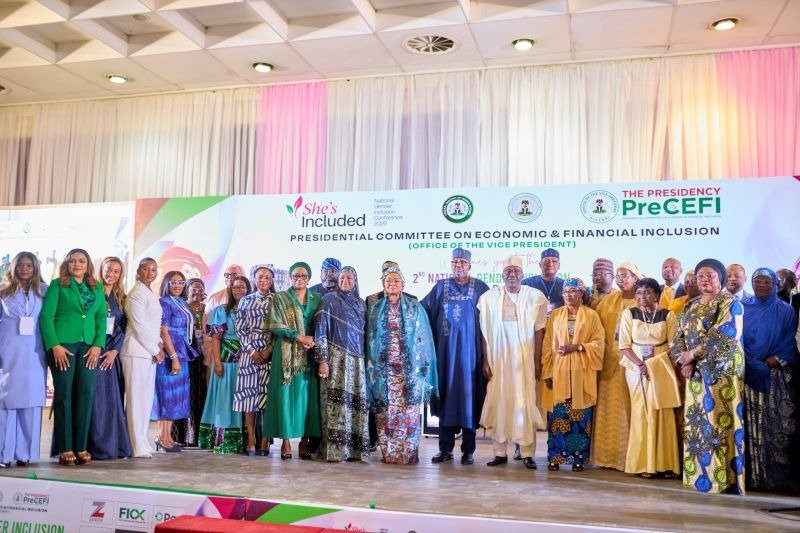
She extended warm congratulations to the Office of the Vice President, the Presidential Committee on Economic and Financial Inclusion (PreCEFI), Dr Nurudeen Abubakar Zauro, PhD, FCCA, FICA, ACA, the Honourable Minister for Women Affairs and co-convener Imaan Sulaiman-Ibrahim, and all partners who made the conference possible.
Reflecting on the gathering, Ahmad described it as well-attended and deeply engaging. The highlight for her, she said, was meeting many young women eager to make their mark and contribute meaningfully.
“They already carry the ambition,” Ahmad concluded. “Our responsibility is to build systems equal to it.”